
Spring: When the Route Really Comes Alive
Spring's honestly the sweet spot for most riders. The days get longer, temperatures climb from the winter cold, and the whole route transforms with fresh greenery. You're looking at March through May if you want that perfect spring experience — mild days, longer daylight, and fewer of the heavy rain showers you get in winter.
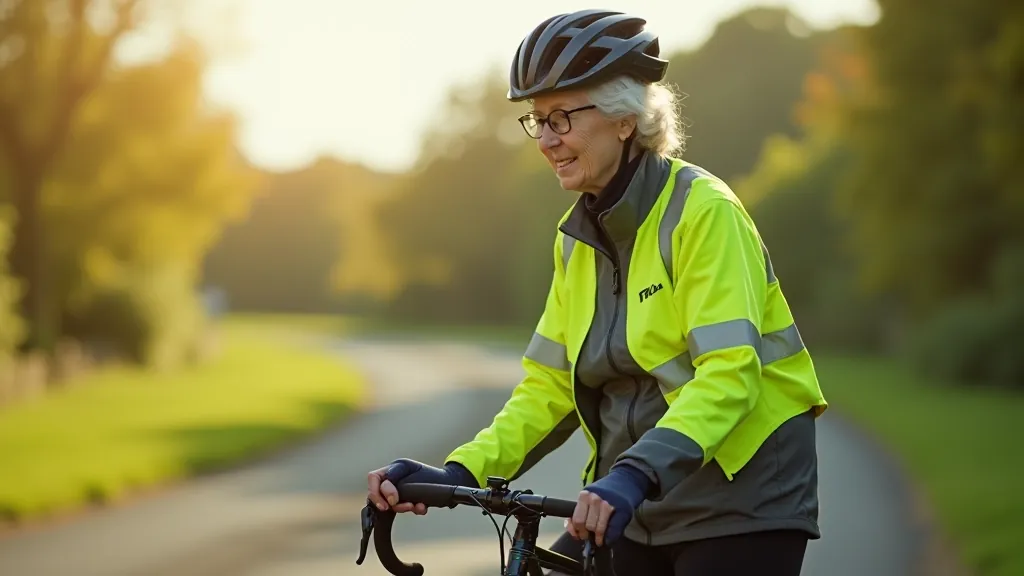
What makes spring special isn't just the weather. The towpath fills with wildflowers starting around late April. Hawthorn blooms line the water edges, and you'll see more wildlife than other seasons. Birds are nesting, dragonflies start appearing by May, and the whole place feels alive. Most riders we've spoken to say their favorite memories come from May rides — it's warm enough that you don't need heavy gear, but cool enough that you're not overheating during the ride.
Pro tip: Start your ride early morning in May. By 7 or 8 AM you'll beat the afternoon crowds and catch the route when it's quietest. Plus the light's beautiful that time of day.
Wind can be a factor in spring though. The route runs through open fields in places, and you'll definitely feel it on exposed sections between Leitrim and Cloone. Nothing dangerous for a flat route, but you might feel like you're working harder on westbound stretches.
Summer: Popular but Worth Planning Around
June through August brings the most visitors. School holidays, reliable warm weather, and long daylight hours mean everyone wants to ride then. The route can get genuinely busy on weekends — we're talking groups of 20-30 cyclists in spots, especially around the popular pullout areas near Ballinamore.
That doesn't mean avoid summer. You just need to be strategic. Weekday mornings? Nearly empty. Saturday afternoons? Packed. If you prefer a quieter experience, aim for Tuesday through Thursday early mornings. You'll have the route mostly to yourself and the weather's still excellent.
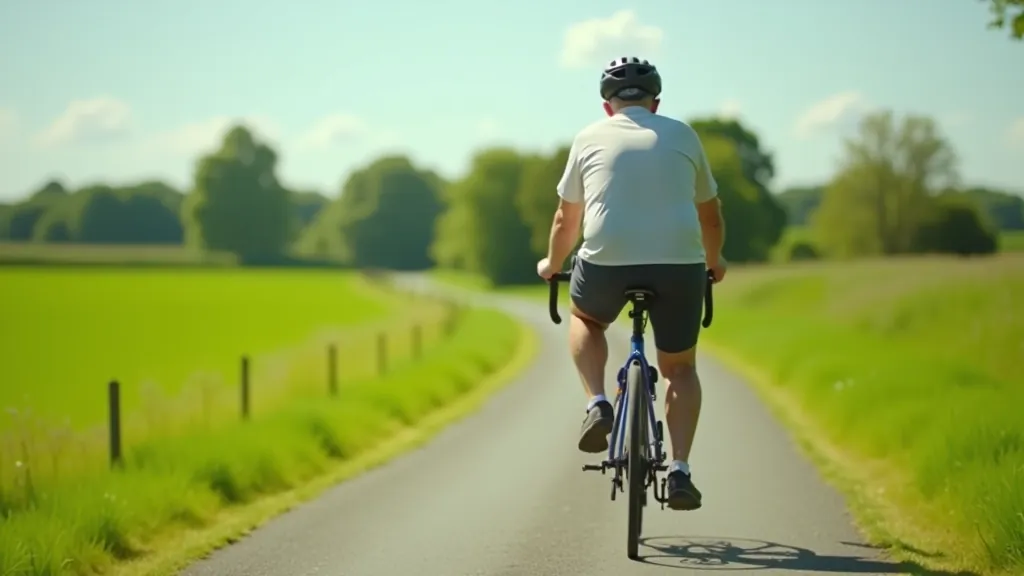
The heat can be an actual consideration. Temperatures hit 20-24°C regularly, and on rare days you'll see 25°C+. That's warm for cycling, especially if you're not used to it. Stay hydrated — there's a café at Ballinamore and a few spots to stop, but you'll want to carry water. The sun's strong in July and August, so sunscreen's essential. Don't underestimate it just because you're on a bike.
Summer evenings are long though. If you start at 6 PM you've got good light until nearly 10 PM. That's fantastic for a relaxed ride without time pressure. The route's well-lit in most sections anyway, but the natural light makes everything easier.
Autumn: Quiet and Golden
September through November is underrated. The summer crowds disappear, the light takes on that golden quality that makes photography beautiful, and the temperatures drop to exactly right for cycling — cool enough that you won't overheat, warm enough you don't need heavy layers. We'd argue autumn's as good as spring, maybe better if you prefer solitude.
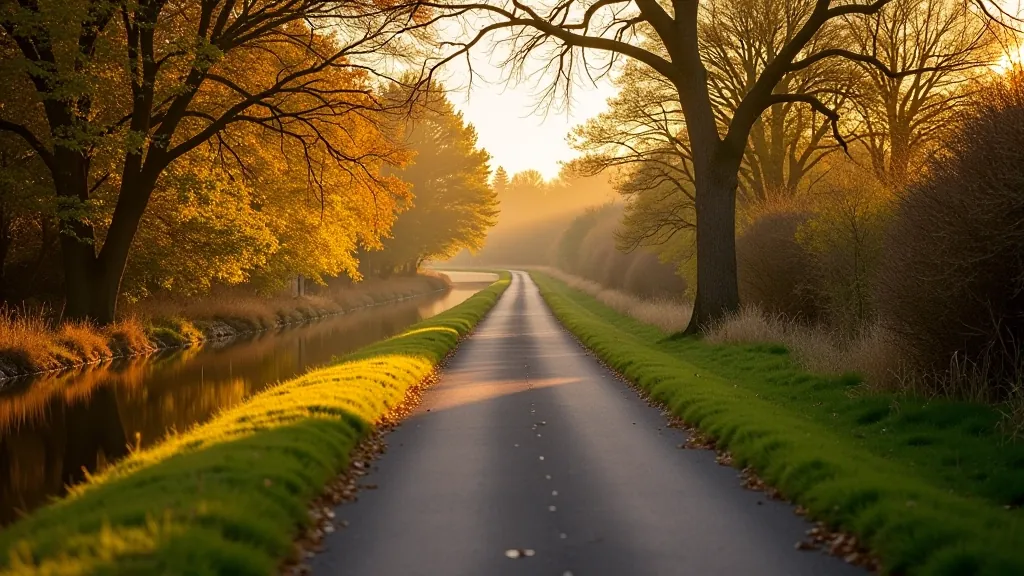
Rain's more frequent in autumn though. Not constant — you'll still get plenty of dry days — but you need to check forecasts more carefully. A 60% chance of rain in September means you could hit a shower. Pack a rain jacket and keep an eye on weather updates. The good news? When it rains, the route empties completely. You might be the only cyclist for kilometers.
September's your sweet spot. Still warm, less crowded than summer, and the route's in its most stable condition after months of good weather. October and November work too, but wind picks up — the route's exposed in places and westerlies can be punishing on return journeys. We've heard from riders who prefer fighting a headwind on the way out and having an easy ride home, so that's a matter of preference.
Winter: For Committed Riders Only
December through February isn't for everyone, but some riders swear by it. The route's completely yours. You might ride for an hour and see three other people. The landscape's stark and beautiful — leafless trees, clear water, no haze in the air. There's something honest about winter cycling on a route like this.
The catch? Conditions are genuinely challenging. Frost affects the towpath surface — it's not dangerous on a flat route, but you need proper tires. Rain's frequent and heavy. Daylight's short — sunrise around 8 AM in December, sunset before 4 PM. Wind's relentless. We're not trying to scare anyone off, but winter requires preparation. Lights are essential. Waterproof gear that actually works is non-negotiable. You'll be cold.
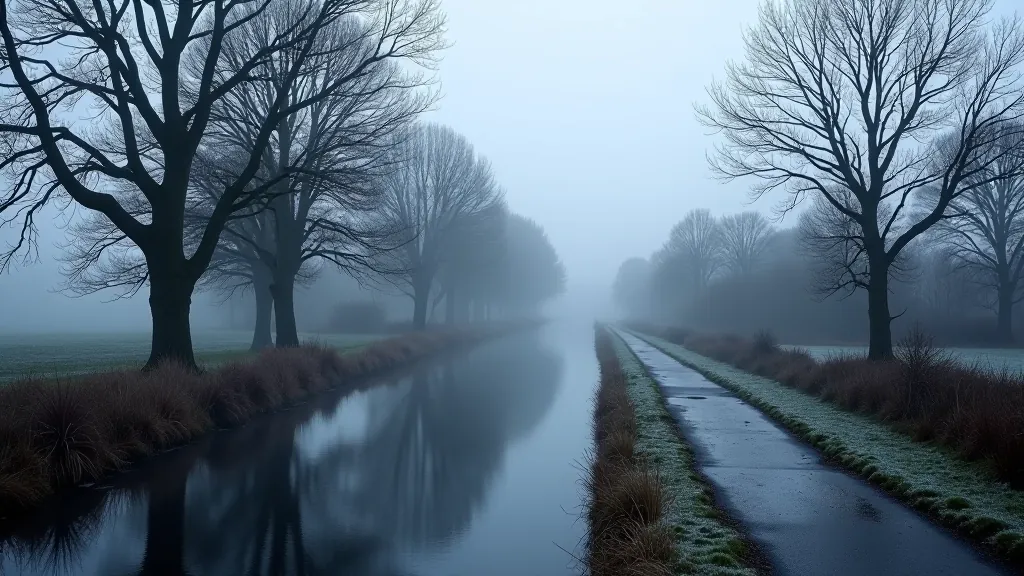
That said, winter has advantages. You won't battle crowds. The route's peaceful. If you're experienced with winter cycling, you know the rhythm — layer properly, start early while it's dry if possible, plan shorter rides than summer because darkness comes fast, and don't underestimate how cold water feels if you come off. Hypothermia's real on flat routes where you're moving slowly in cold wind.
Weather Patterns and What to Expect
Ireland's west coast weather is famously changeable. The Shannon Erne Blueway sits in County Leitrim, which gets more rain than Dublin but less than Kerry or Galway. You're looking at roughly 50-70 rainy days per year distributed unevenly across seasons.
Wind Considerations
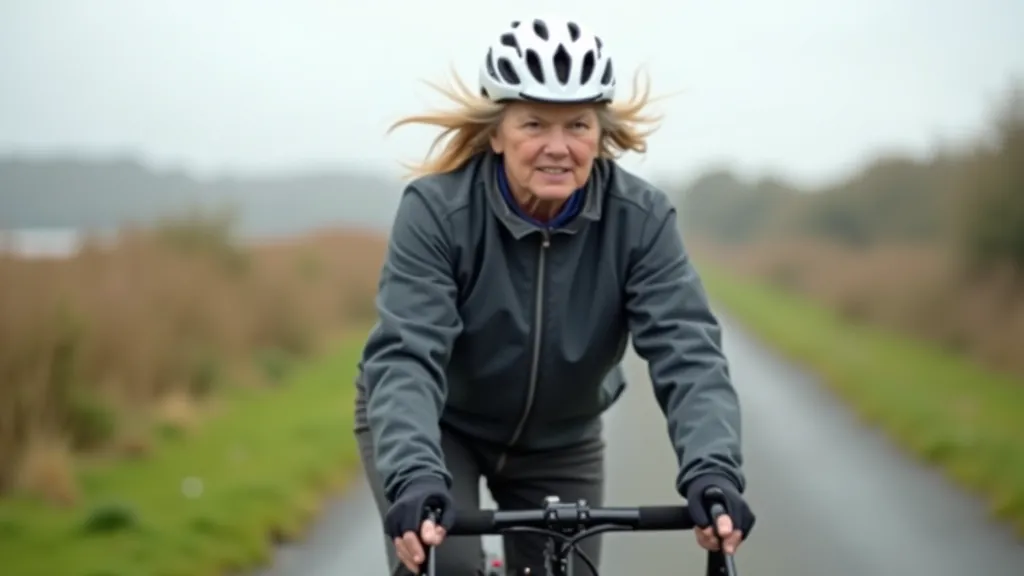
The route runs roughly east-west in its main sections. Prevailing winds come from the southwest and west. That means headwinds on westbound rides, tailwinds heading home. In spring and autumn especially, wind speeds of 20-30 km/h aren't unusual. You won't notice it much on the flat sections between Ballinamore and Keshcarrigan — the route's protected by trees — but approaching Leitrim and Cloone you're in open fields.
Plan accordingly. If you've got a loop route, consider starting into the wind so you get a boost home when you're tired. Or embrace it — headwinds build strength, and the route's flat enough that even 25 km/h gusts aren't dangerous.
Water Level and Route Conditions
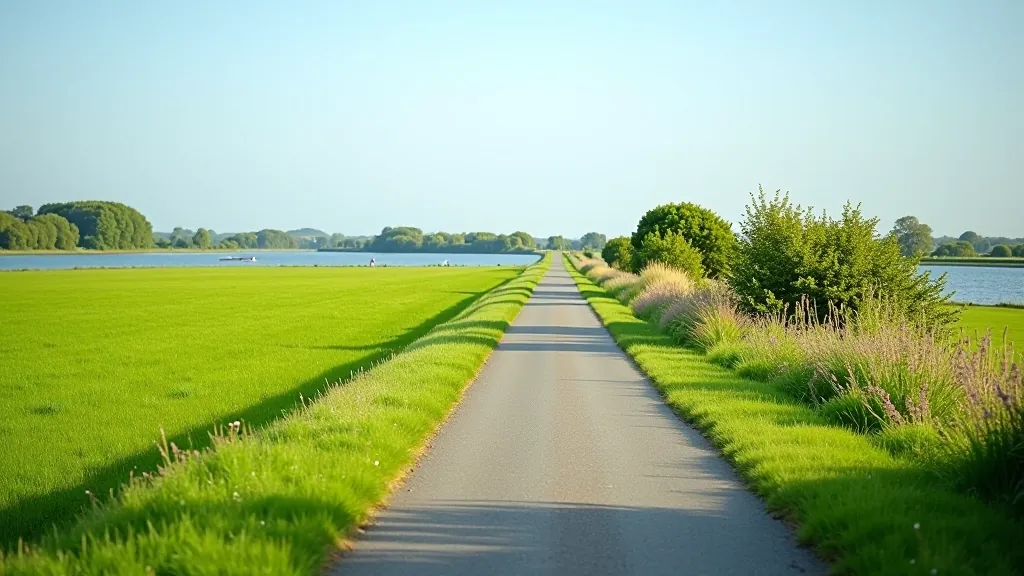
The Shannon Erne Blueway follows a canal system with managed water levels. That's one of its great advantages — you won't face flooding on the towpath like you might on river-side routes. However, water levels do affect the route subtly. Winter and early spring have higher water levels from rainfall. By late summer, levels drop slightly. This doesn't affect cycling at all, but it changes how the landscape looks and feels.
The towpath surface is excellent year-round. It's maintained regularly, and you'll find gravel or tarmac in good condition even in winter. No muddy sections that become impassable. That's another reason this route works well for older riders — consistent, predictable surfaces without surprise hazards.
The Real Answer: When Should You Go?
If you're asking which single season is "best," we'd say May. You get warm weather without summer heat, wildflowers, longer daylight, manageable crowds if you start early, and the whole route's at peak beauty. Spring weather's still unpredictable, but May feels like a bet you're likely to win.
But honestly? The best time is when you're available. September's just as good as May if you prefer solitude. Summer works if you ride weekday mornings. Even winter's wonderful if you're prepared and don't mind being cold.
Check the local forecast two days before you go. Watch for extreme wind warnings — anything over 40 km/h is worth postponing. Look at sunrise/sunset times to plan your daylight. Bring water, sunscreen, and a light rain jacket no matter the season. The route's forgiving, but preparation makes every ride better.
The Shannon Erne Blueway isn't fussy about seasons. It's a well-maintained, flat, scenic route that works year-round. Pick a season that matches your preference for crowds, temperature, and daylight. Go ride it. You won't regret it regardless of the time of year.