
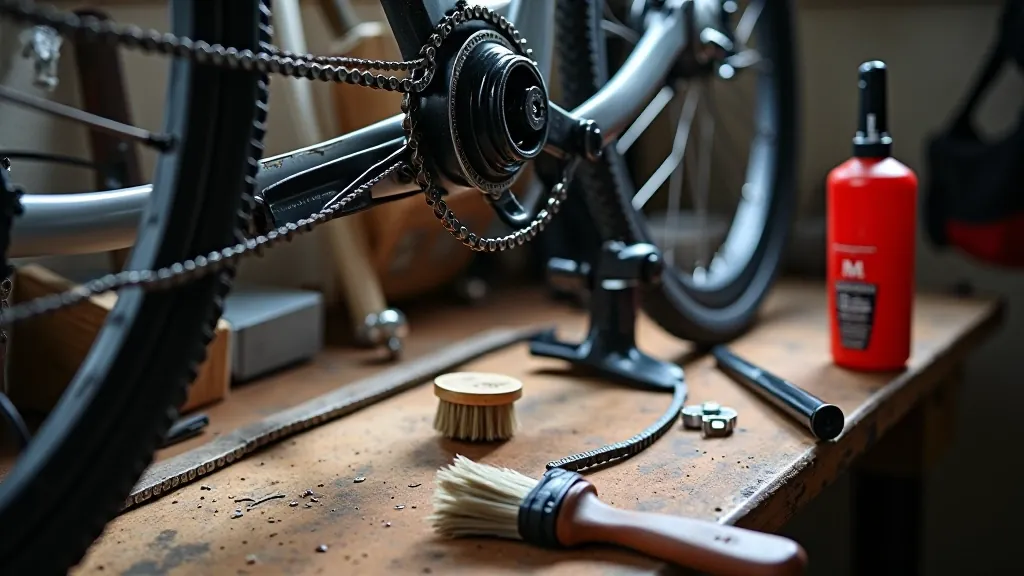
Your bike doesn't need to be complicated. Thing is, most people think they need fancy tools and technical knowledge to keep their bicycle running smoothly. You don't. We're talking about the basics — the stuff that takes 10 minutes on a Sunday afternoon but keeps your ride feeling good for months.
You'll be surprised how much difference a little attention makes. A quick chain clean, checking your tire pressure, making sure your brakes aren't dragging — these aren't mysterious skills. They're just habits. And once you start doing them, you'll actually notice when something feels off with your bike instead of ignoring it until there's a problem.
Your Chain Needs Love More Than You Think
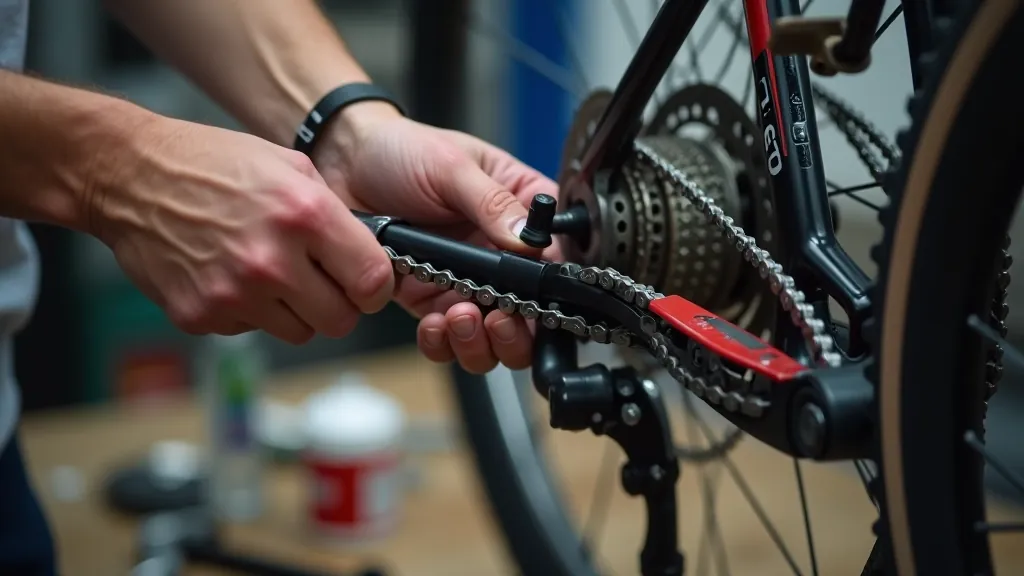
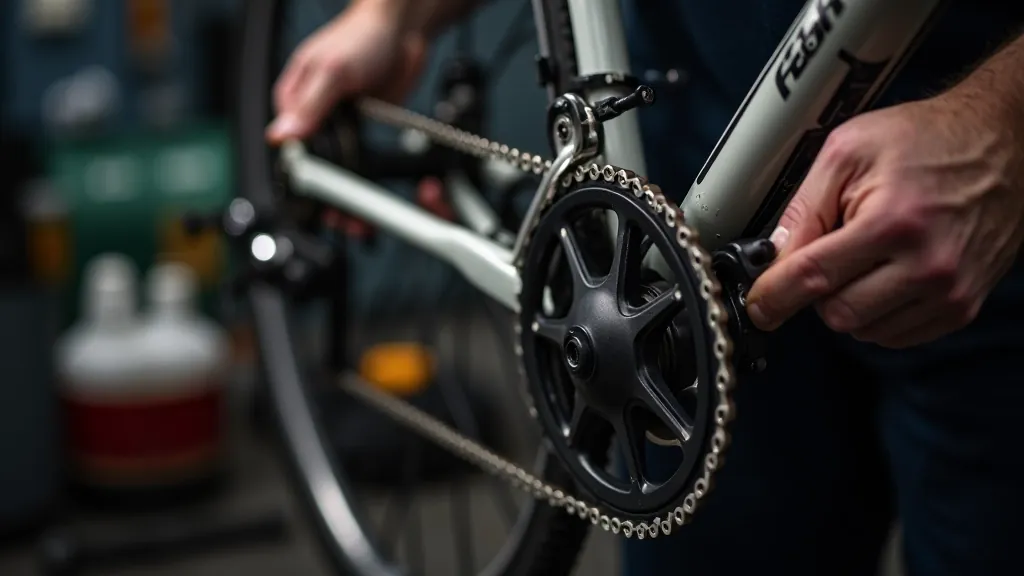
The chain is probably the dirtiest part of your bike. It picks up everything — dust, grit, road salt (especially if you're cycling near water). A clean chain runs quieter, lasts longer, and shifts better. That's it. Those are the only reasons you need.
Here's what you do: Get an old rag, some bike chain lubricant (costs about €5), and spend five minutes wiping the chain while you slowly pedal backwards. You're not trying to make it spotless. You're just removing the crusty buildup. Then apply fresh lube while rotating the pedals again. The lube should be thin enough that it soaks in, not so thick it looks like you've coated it in honey.
Do this every 2-3 weeks if you're riding regularly. Every month at minimum if you're only out on weekends.
Tire Pressure Changes Everything
Soft tires are your enemy. They roll slower, they damage easier, and they make your bike feel sluggish. You don't need them to be rock-hard — that's uncomfortable and actually worse on bumpy paths. But you do need them at the right pressure.
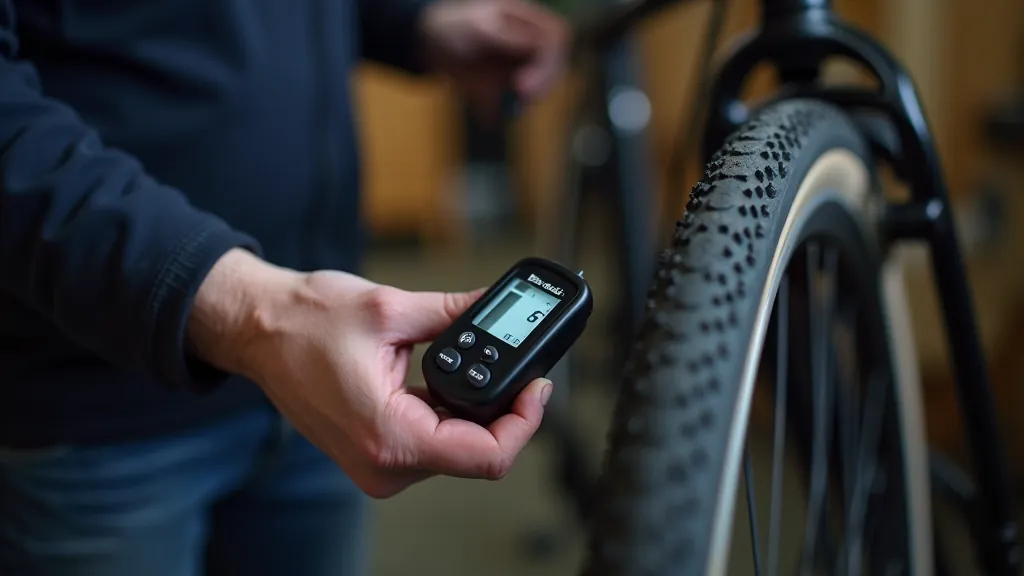
Most bike tires have the recommended pressure printed right on the sidewall. It's usually between 50-100 PSI depending on your tire width. Get a simple floor pump with a pressure gauge (around €20-30) and check your tires every couple of weeks. Seriously. Pressure drifts down naturally over time.
Here's what you'll notice: At the right pressure, your bike feels responsive. You'll pedal less hard for the same speed. Your braking feels more consistent. And you won't be constantly worried about pinch flats. That's worth five minutes of checking, yeah?
The Five-Minute Weekly Check
- Squeeze both tires — do they feel firm or squishy?
- Spin each wheel — do they wobble or look true?
- Squeeze brake levers — do they feel responsive?
- Check cables for fraying or damage
- Look at the chain — is it visibly dirty?
That's it. Do this before you ride and you'll catch 95% of problems before they become actual problems.
Brakes Don't Fix Themselves
Bad brakes are scary. They're also usually fixable. The most common issue? Brake pads wearing down or rubbing against the rim when they shouldn't.
Check your brake pads every month. Look at them from the side — if they're thinner than 2mm, they need replacing. New pads cost €10-20 and take 10 minutes to swap. If your brakes are rubbing (you'll hear it), you might just need to adjust the brake caliper slightly. Loosen the mounting bolt, pull the lever, and tighten it again. This centers the caliper over the rim. Sounds technical. It's really not.
The main thing: Don't ignore squealing or rubbing. It's telling you something. Address it before it gets worse. Your brakes are keeping you safe, especially on downhill sections of the Erne trails.
Shifting Smoothly Takes Practice
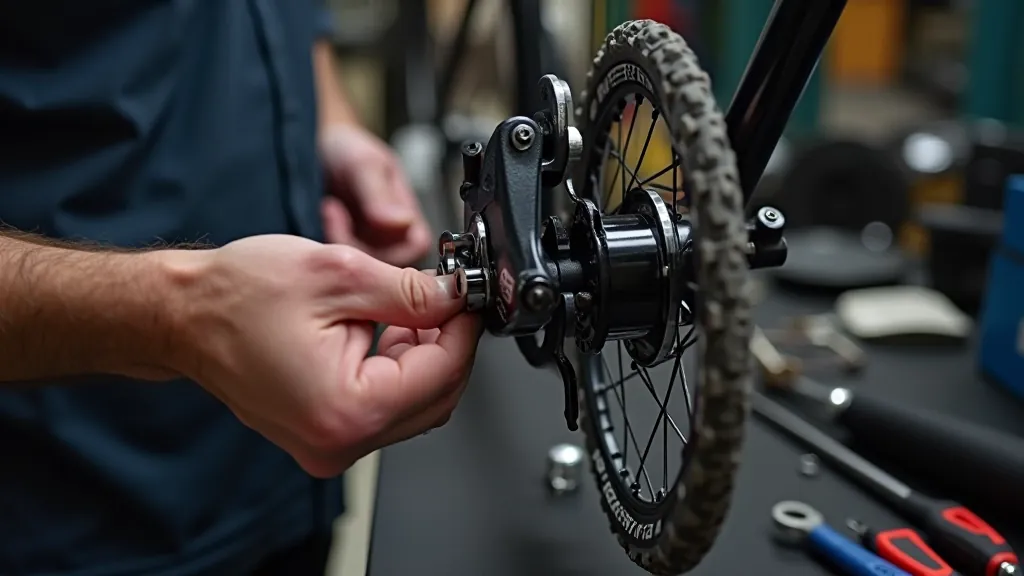
Your gears feel sluggish or skip? That's usually not your gears — it's the derailleur being slightly out of alignment. Don't panic. You don't need to rebuild your entire drivetrain.
First thing: Make sure your chain's clean and lubed (we covered that). Second thing: Check if your derailleur is visibly bent. If it is, you might need professional help. If it looks straight, there are two tiny screws on the derailleur that adjust how far it moves. They're labeled H (high gear) and L (low gear). This is where it gets finicky, honestly. If you're not comfortable messing with it, that's fine. A bike shop will sort it in 20 minutes for €20-30.
But here's the thing — most shifting problems aren't derailleur issues. They're cable tension. The cable that pulls the derailleur can stretch slightly over time. There's usually a barrel adjuster (a little threaded collar) on the cable where it meets the shifter. Turn it a quarter turn and test. You might just fix it.
The Tools You Actually Need
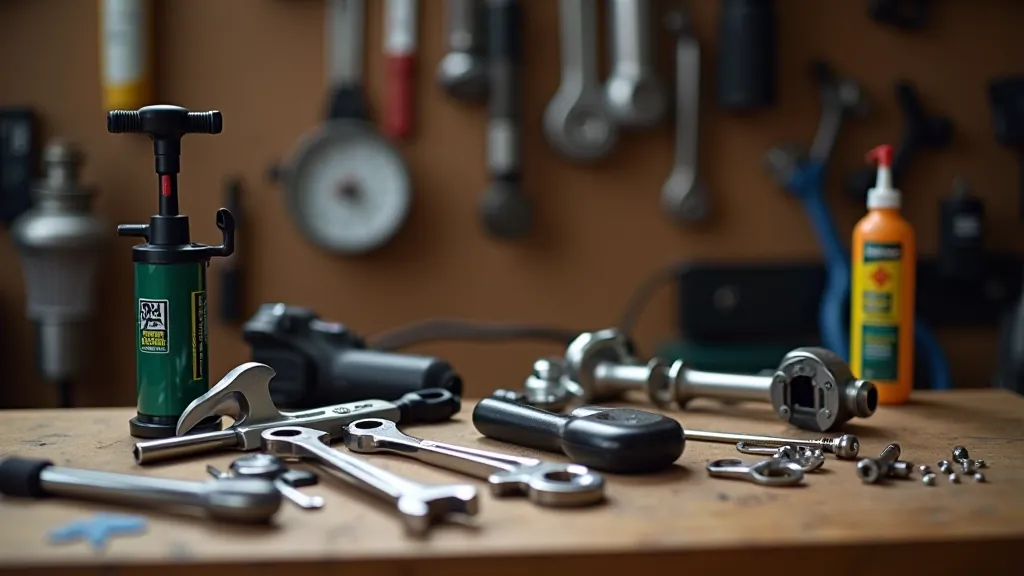
You don't need a massive workshop. Seriously. Start with these basics and you'll handle 90% of what comes up:
- Floor pump with gauge — €25-40. Non-negotiable. This prevents more problems than anything else.
- Adjustable wrench — €8-15. Fits almost everything on your bike.
- Screwdrivers — €5. Phillips and flathead. You've probably got these.
- Chain lubricant — €5-10. Specific bike lube, not WD-40.
- Bike-specific cleaning cloth — €3-5. Old rags work too.
- Hex key set — €10-15. Your bike probably uses these more than anything else.
Total: Around €60-80 for a complete starter kit. You'll use these tools hundreds of times. Way cheaper than regular mechanic visits.
Start Small, Build Confidence
You don't have to become a bike mechanic. You just need to develop a habit of checking your bike before you ride. Five minutes. Look at tires, squeeze the brakes, listen to the drivetrain. That's your baseline.
Then, when something does need fixing, you'll be less intimidated. You'll already know your bike. You'll understand what's normal and what's not. And most of the time, you'll be able to fix it yourself with nothing fancier than a wrench and some lube.
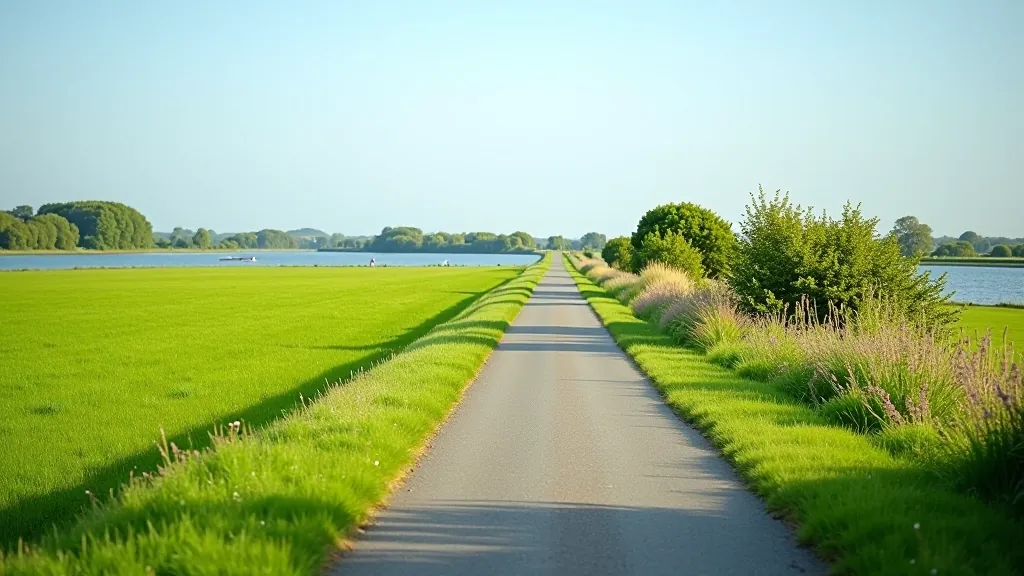
The Shannon Erne towpath is amazing for cycling. You don't want mechanical issues ruining a ride. A little preventive maintenance means you'll be out there enjoying the water and scenery instead of walking home with a broken bike. That's worth the small effort.
More Cycling Guides


Disclaimer
This article provides general information about basic bicycle maintenance intended to help you understand common upkeep tasks. It's not professional mechanical advice. Every bike is different, and some repairs require specialized knowledge or tools. If you're uncomfortable performing any maintenance task, or if your bike needs more complex work, please consult a qualified bicycle mechanic. Always wear appropriate safety gear when cycling, and ensure your bike is in good working condition before riding. The author and publisher assume no responsibility for injury or damage resulting from the use of this information.