You don't need fancy equipment to ride safely. But there's a difference between "okay" gear and gear that actually protects you. We're talking about the items that make real impact when you're sharing towpaths with walkers, other cyclists, and the occasional dog on a long lead.
On Ireland's quieter routes like the Shannon Erne Blueway, visibility matters more than you'd think. Poor lighting, sudden corners, and pedestrians not expecting bikes — these happen regularly. The right safety gear isn't about looking official. It's about being seen and protected.
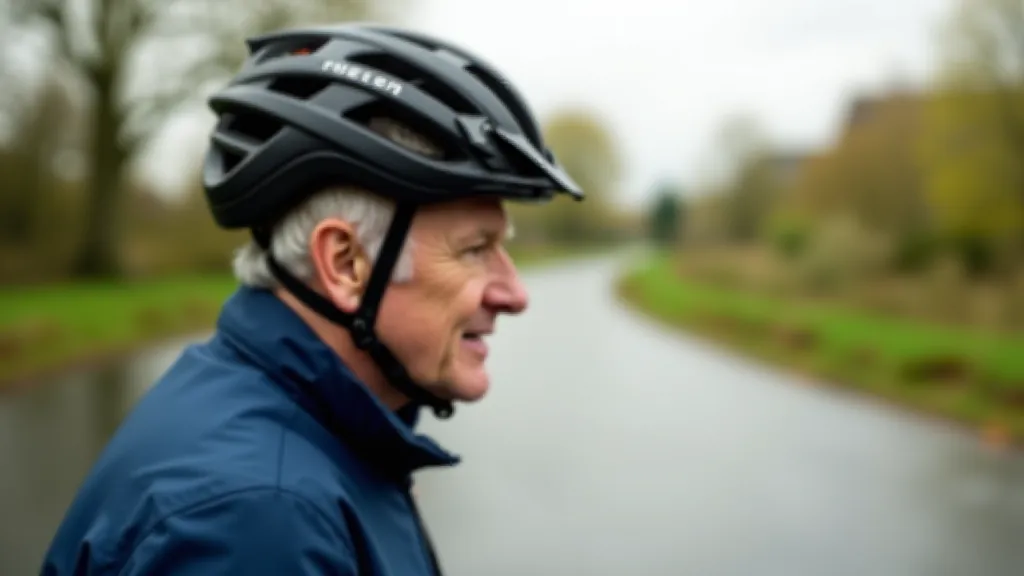
Helmets: The One Thing You Can't Skip
A helmet isn't about being overly cautious. Falls happen. A pothole, loose gravel, or miscalculating a turn — it takes seconds. You'll hit your head before you even realize what's happened.
Look for helmets with good ventilation (you're riding for hours, not sprinting). The fit matters more than the brand. It should sit level on your head, not tilted back. Two fingers of space above your eyebrows. Straps should form a V under your ears when buckled.
Modern helmets come in proper adult sizes now, not those tiny racing models. You'll find ones specifically designed for older riders — lighter, better padding, less pressure on your head. They're worth the investment. You're protecting something pretty important.
Quick Helmet Checklist
- Sits level on head, not tilted forward or back
- Two fingers of space above eyebrows
- Chin strap forms a V under ears when buckled
- Ventilation holes clear (not blocked by hair or fabric)
Lights: Being Seen Beats Being Invisible
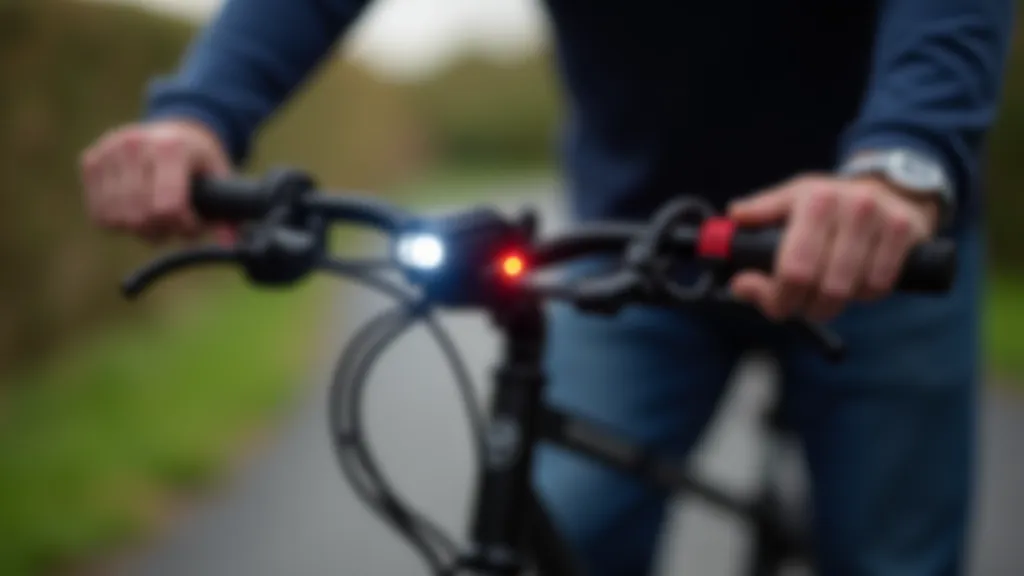
You'd be surprised how many cyclists skip lights during daylight hours. Don't. Even on bright days, lights make you visible to walkers and other cyclists from 100 meters away. At dusk or on overcast afternoons, they're essential.
You need two lights — front and rear. The front light doesn't have to be blinding bright. 300-500 lumens is plenty for daytime use. It's more about being noticed than lighting your path. The rear light is your most important safety tool. Red, steady or flashing, and mounted low on the seat post where it's visible to people approaching from behind.
USB rechargeable lights have changed everything. You're not fiddling with batteries. Charge them overnight, you've got 8-12 hours of riding. Most modern lights are compact enough that they don't add noticeable weight.
Visibility Gear: More Effective Than You Think
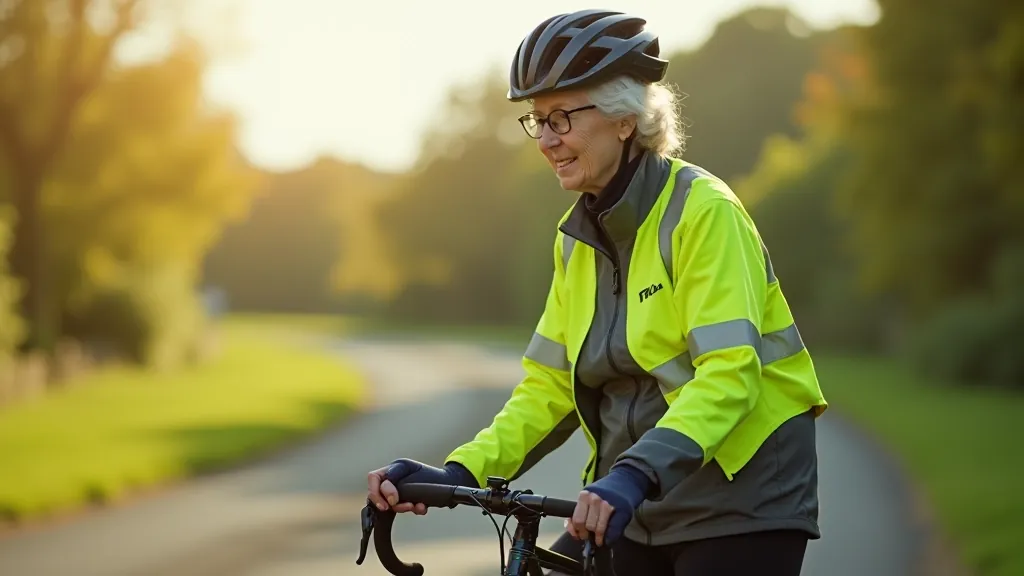
High-visibility vests aren't fashion statements. They work. Reflective material catches light and throws it back at the source. A person in a bright vest is spotted 50% faster than someone in dark clothing, even in daylight.
You don't need a full construction-site vest. Lightweight cycling-specific ones exist now — thin, packable, breathable. Some riders prefer reflective bands for the arms or legs. Your choice depends on comfort. The important part is wearing something that makes you visible.
On towpaths where you're mixing with pedestrians, visibility gear serves another purpose. It signals to walkers that you're a cyclist, not just someone wandering slowly. They'll step aside. They'll be ready when they hear you.
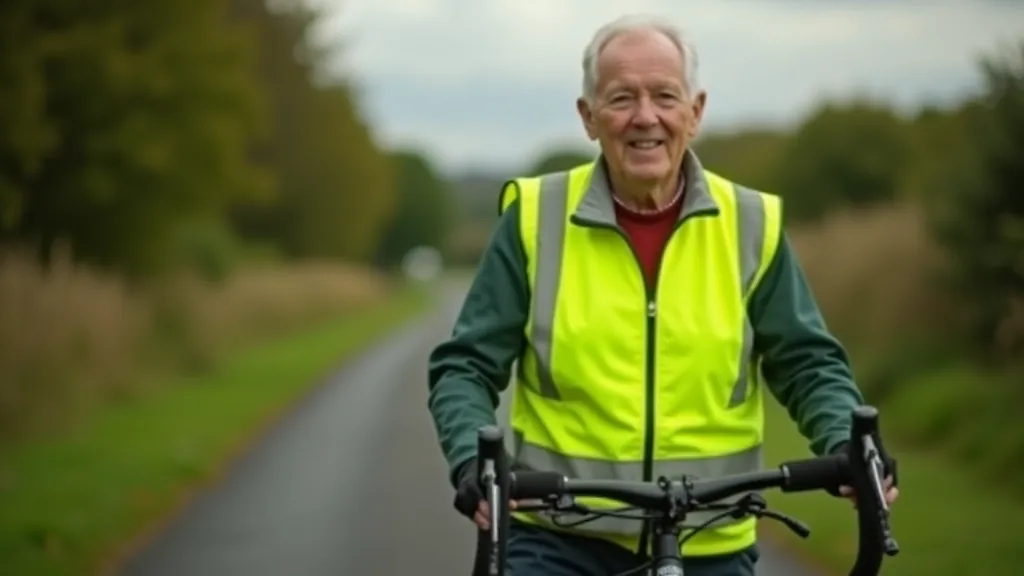
"I wasn't convinced about the visibility vest at first. But after I started wearing one, I noticed walkers reacting differently. They move faster when they see me coming. It's subtle, but it matters."
Gloves and Wrist Protection: Protecting Your Hands
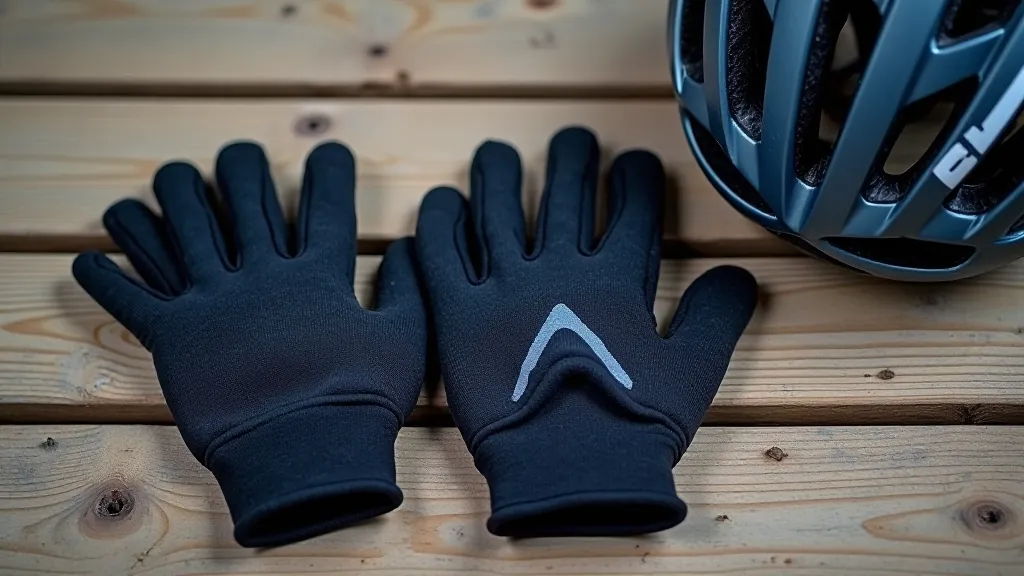
When you fall forward, your instinct is to catch yourself with your hands. This is why gloves matter. Even a low-speed fall on gravel can shred your palms. Good cycling gloves have padded palms and grip that won't slip if your hands are damp.
Look for gloves with wrist support, especially if you're dealing with arthritis or wrist sensitivity. They don't need to be thick — just enough padding to absorb impact. You want dexterity to operate your brakes and shift gears. Tight gloves are better than loose ones.
Older riders sometimes skip gloves in summer. Don't. They keep your hands comfortable, they reduce vibration, and they protect you. It's the same logic as wearing a helmet — you're not expecting a fall, but if it happens, you're protected.
Other Gear Worth Considering
Bells or Horns
On shared towpaths, you need to alert pedestrians. A bell is quieter and friendlier than shouting. It gives walkers time to move without startling them.
Mudguards
Ireland's towpaths get wet. Mudguards keep spray off you and off pedestrians behind you. They also protect your bike's chain and gears.
Kickstand and Locks
You need a stable way to park without dropping your bike. A good kickstand and a decent lock mean you can stop for tea without worry.
Putting It Together: A Safety Checklist
Helmet that fits properly
Your most important piece. Check fit every time before riding.
Front and rear lights
USB rechargeable, fully charged before you ride.
High-visibility vest or reflective gear
Worn over your jacket, visible from all angles.
Padded cycling gloves
Even in summer. Wrist support if you need it.
Bell or horn
Your way to communicate safely with pedestrians.
The Real Impact
Safety gear doesn't guarantee you won't have an accident. But it dramatically reduces injury if something goes wrong. You're cycling for enjoyment, not to prove anything. The right equipment means you can focus on the ride, the scenery, and the people you're with.
On towpaths shared with pedestrians, your safety gear also protects them. When you're visible and clearly identifiable as a cyclist, walkers can react appropriately. Everyone's safer.
Start with the essentials — helmet, lights, visibility. Add other gear as you figure out what matters for your riding. You don't need to spend hundreds. A decent helmet runs €60-100. Lights are €30-50 each. A visibility vest is €15-25. Small investments that make a real difference.
Safety Disclaimer
This article provides educational information about cycling safety gear. It's not a substitute for professional safety training or advice from cycling experts. Always follow local traffic laws and cycling regulations. Road conditions, weather, and individual circumstances vary — what works in one situation may not apply to another. If you have health concerns or physical limitations that affect your cycling, consult with a healthcare provider or experienced cycling coach before starting any new riding routine.